

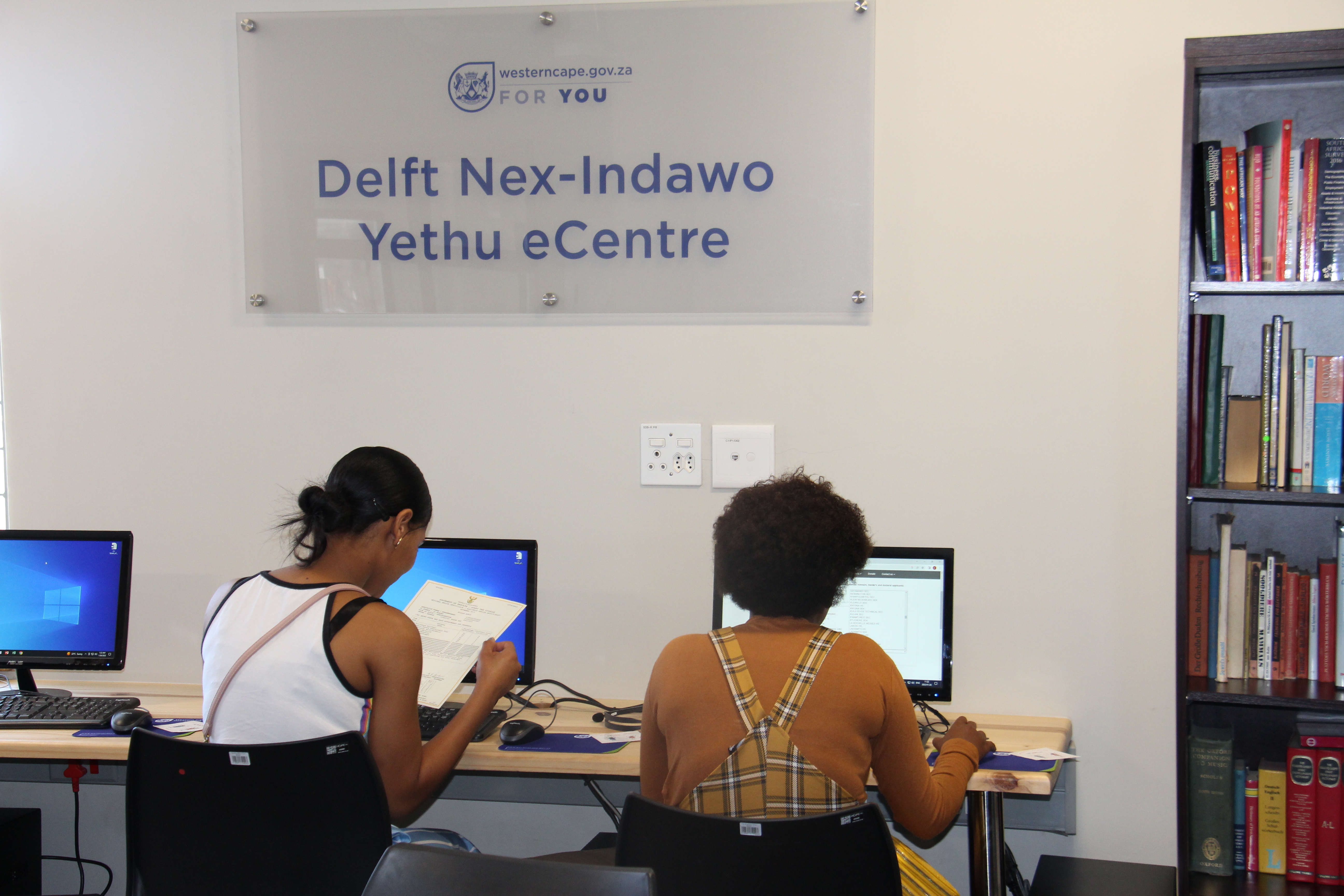
Talking to a cleaning lady at a South African hotel I am staying, she enquires about my work. Hearing that my office is in Delft, you could see the disbelief in her eyes – and the first words in response: “I would never go to Delft!” Born and raised in Bontheuwel and now residing in Mitchells Plain; both so-called “coloured” areas not really known for too much peace, she still makes a determination that walking the streets of Delft voluntarily is utter madness.
This recent encounter once again made me aware how even locals look at the township of Delft. Certainly, it is the murder capital No 1 in the province according to the last crime statistics and No 3 in the country; it is high on the list of rape, GBV and other crimes not to name gang related violence. But I ask myself whether it is fair to judge and discriminate against hundred thousands of people because it has its admitted problems of severe nature.
I realise of course how anxious people are to come to Delft. How it sometimes needs convincing to visit us on campus. But I also see how – once there – the realisation sets in that while acknowledging the realities, the fantasies and anxieties are often bigger than what one experience once there.
Delft is unique – and there should be the unique Delft way to get it right. To get it right, there needs to be communication and encounters, there needs to be the openness of joint engagement.
Talking to our advisory committee the goal is clear: not to run away to anyhow not greener pastures but to stay and to change the situation so that people can live in peace, prosper and make a living for their families.
Change will only happen when those living in Delft will be working on this change. HOPE Cape Town and “The Nex – Indawo Yethu” can in this regard only be a tool, an auxiliary, a point of synergy and a force of good and goodwill.
And the organisation can be the way into this community for those coming from outside to engage, to understand and to be part of a way to what every human being dreams of: a decent life in a safe environment and a better future for the next generation.
But there is more:
Certainly, the LEAP forces make a great impact in reducing crime and bringing more safety and stability. NGO’s try their very best to unlock potential and assist those in need. Church groups are hard at work with charity efforts. Civil society groups and self-help groups are dedicated admirably to tackle problems, supported by local councillors in many ways.
Looking at the youth unemployment rate for Delft it is clear that also the opportunity to find work must improve heavily. The City of Cape Town prides itself with attracting business and investment, like we have seen with the Amazon company. If there would only be more courage to offer incentives to do business in the Cape Flats, creating jobs and prosperity. It might mean in the beginning more efforts to upskill people and to guarantee security. But in the long run, it would change not only a township, but it would have a ripple effect for others with the message: change is doable and the Cape Flats could become also a beacon of hope which those living there deserve to experience every day more.
Filed under: HOPE Cape Town Association & Trust, HOPE Cape Town Trust, Politics and Society, Reflection, Society and living environment, South Africa, Uncategorized, Africa, Cape Flats, creating jobs, Delft, development, hope, HOPE Cape Town Trust, unemployment, work, youth unemployment


 God, AIDS, Africa & HOPE